A practical, honest guide to start hunting deals on Amazon without falling into traps: the right mindset, watchlists, price history and alerts to really save money.
Are you tired of buying on Amazon only to discover the next day that the price was lower? Or worse, have you fallen for a fake discount with an inflated strikethrough price? In this guide I'll show you how to find real Amazon deals using a simple, transparent method based on patience and data verification. Forget DIY tips: here you'll build a beginner-friendly system that makes you a smarter shopper.
What is a real deal and why is it hard to find?
A real deal isn't just a lower price than usual: it's a genuine, verifiable discount that lasts long enough to be grabbed. Amazon, with its millions of products and third-party sellers, uses the strikethrough price as a marketing tool. Often that "original” price is inflated, making the percentage discount illusory. That's why the first step to learn how to find real Amazon deals is to understand that not everything that glitters is gold. But there are two types of genuine bargains:
- Price errors (glitches): a seller or Amazon itself accidentally sets a price far below the intended one. They last minutes or hours, but are the best.
- Real discounts: the price drops because Amazon wants to clear stock, runs a targeted promotion, or a third-party seller cuts their margin. Here, price history is crucial.
Glitchoo's method, with its 90-day price history and Trust Score, lets you instantly tell a real deal from a trap. Never trust a strikethrough price without checking first.
Step 1: the right mindset – patience over impulse
Before clicking any deal link, train yourself to be patient. Beginners always fall for urgency: "limited offer", "last few", "-50% only today". The truth? Many of these urgences are manufactured. An experienced deal hunter knows:
- Impulse makes you pay full price. If you wait a few days, the price often drops further.
- Patience pays off. Monitoring a product for weeks allows you to recognise the true historical low.
- Never buy without data. Every purchase should be preceded by verification: price history, trends, seller reviews.
| Behaviour | Result | |-----------|--------| | Buying impulsively from a banner | You risk paying 20% above the historical low | | Adding to watchlist and waiting | You buy at the lowest price in 90 days | | Trusting the strikethrough without checking | Fake discount, zero savings | | Using Glitchoo's Trust Score | You know instantly if the deal is reliable |
The first rule: if you don't have time to verify, it's not a deal for you.
Step 2: build your watchlist with target prices
A watchlist is the core of your system. There's no point in following a thousand random items: you need to select the ones you truly care about and assign each a target price. Here's how:
- Identify the products you need. Not the ones you want, but those you really need (or have wanted for months). For example, if your laptop is dying, follow laptops, not soundbars.
- Find the average historical price. On Glitchoo you can see the price chart for the last 90 days: that's your starting point.
- Set a realistic target price. Don't aim for the rarest glitch (a laptop at £10 is almost impossible). Aim for a 20-30% discount below the average price. For instance, if a TV drops from £599 to £399, but the history shows it was already at £419 in March, your target might be £380.
- Add the product to your Glitchoo watchlist. That way you get a notification when the price falls below your threshold.
Step 3: learn to read the price history
The price history is your best friend. Without it, you're at the mercy of marketing. Amazon shows the strikethrough price, but that price may have been applied only for a few hours in a year. With Glitchoo's 90-day history you can see:
- The recent lowest price. That's the true reference.
- The frequency of discounts. If a product drops every two weeks, you can wait.
- The trend. If the price is consistently rising, maybe it's better to buy now.
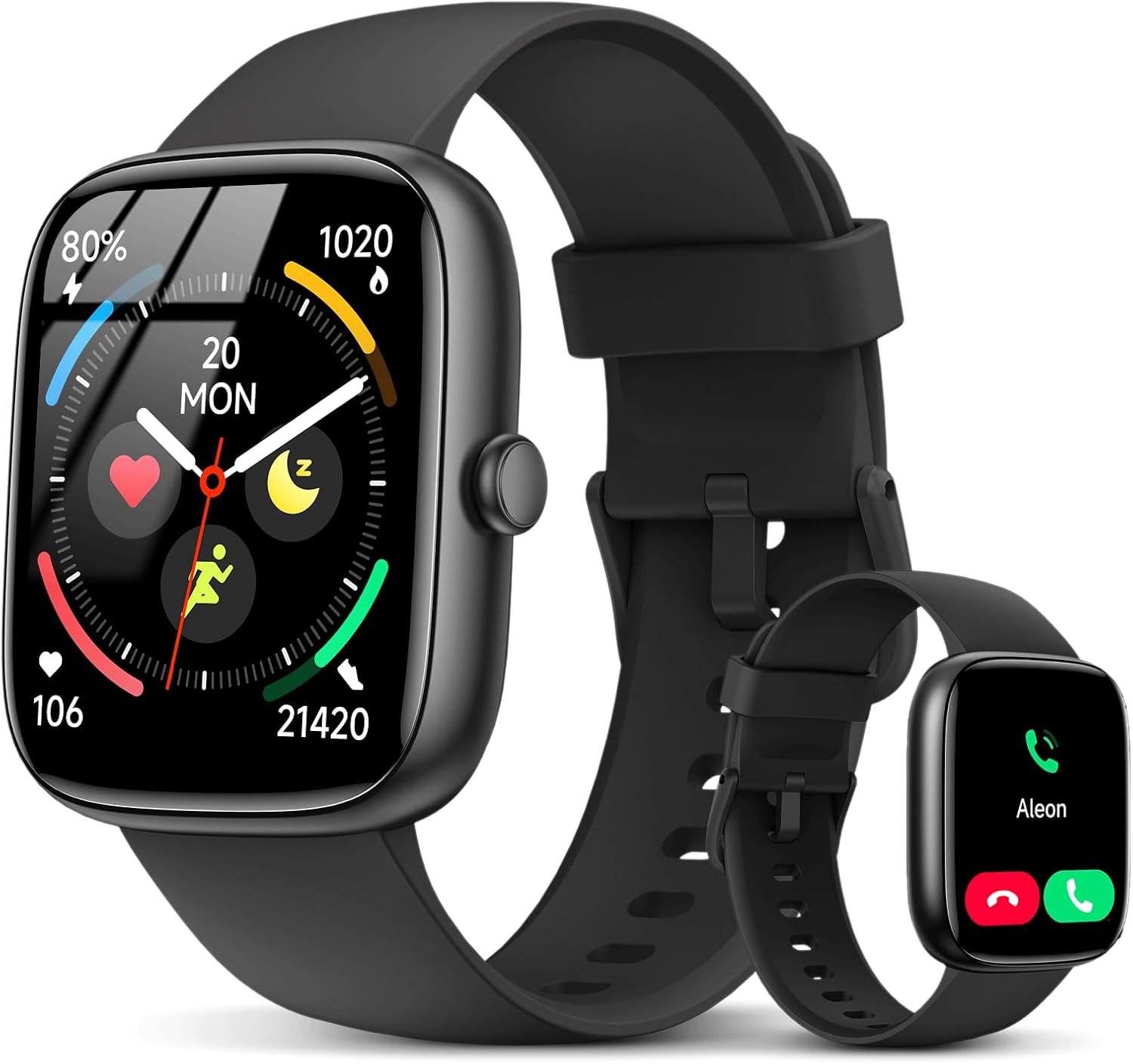
A concrete example: imagine a smartwatch sold at £249 with a strikethrough price of £399. The history shows the average price over the last 90 days is £229, and it dropped to £199 for a week. The real discount is therefore much smaller than the indicated 38%. Glitchoo calculates the Trust Score based on this data and warns you whether the deal is solid or not.
Step 4: set alerts and don't let anxiety take over
Once you have your watchlist and target prices, let the system work for you. Set alerts on Glitchoo (available across 6 marketplaces: UK, Italy, Germany, Spain, France, USA) and receive a notification when the price drops below your threshold. At this point, the temptation to buy immediately is strong, but remember:
- Not all alerts are equal. A price glitch can disappear in 5 minutes: act fast, but don't panic.
- Always check the history. The alert tells you the price is low, but the history tells you if it's the historical low. If not, maybe it drops further tomorrow.
- Read the conditions. Check if it's sold by Amazon or a third party, if there are shipping costs, if the coupon is separate from the discount. Glitchoo shows the -X% badge only if the discount is genuine without a coupon.
Step 5: beware of urgency and fake discounts
Third-party sellers and Amazon themselves use tactics to push you into buying. The most common:
- Countdown timers: often fake timers that reset every day.
- "Only 3 left": may be true, but often it's a bluff to create scarcity.
- Inflated strikethrough price: if the original price is £999 and now it's £199 for a product actually worth £200, the discount is fake.
Your shield? The Glitchoo method: price history, Trust Score, and the 90-day rule. If you can't find the product in our database, be wary.
Frequently asked questions
How can I tell if a strikethrough price on Amazon is real?
Check the 90-day price history on Glitchoo. If the strikethrough price was never actually applied during that period, it's likely inflated. Use the Trust Score for an instant indication.
How long should I wait before buying?
It depends on the product. For electronics and gadgets, the lowest price often appears after 2-3 weeks of monitoring. Set an alert and wait for the price to hit your target.
What are price errors and how do I find them on Glitchoo?
Price errors (glitches) are clearly mistaken prices, often very low. On Glitchoo we report them as soon as we discover them, with the Trust Score to indicate whether Amazon might cancel the order. Remember: Amazon can cancel orders at its discretion.
Do I have to pay to use Glitchoo?
No, Glitchoo is free. We earn through affiliate commissions if you purchase on the marketplaces, but the price for you remains unchanged.
Can I trust the deals listed on Glitchoo?
Every deal has a Trust Score based on price history and conditions. We don't guarantee that Amazon will honour the error, but we give you all the data to decide wisely.
Conclusion
Now you have the tools to become a savvy deal hunter. You don't need to be an expert: just patience, a well-built watchlist, and the willingness to verify before buying. Start today: go to the real deals page and see how prices behave. When you find a product you're interested in, check its history and set an alert. And remember: the best deal is the one you buy after knowing exactly what you're paying for. Happy hunting!
Featured offers
Deals featured in this article
Glitchoo is an Amazon UK affiliate: if you buy through our links we earn a small commission at no extra cost to you.